
How to Prepare Your Mortgage for Potential Interest Rate Hikes in the Coming Year
With interest rate hikes on the horizon, many Australian homeowners are preparing for the impact on their mortgage repayments. Rising interest rates can increase your monthly repayments and put pressure on your household budget. However, with the right strategies, you can prepare for potential rate hikes and protect your finances. In this article, we’ll cover what you need to know about rate hikes in 2024 and how to prepare your mortgage.

How Can Borrowers Prepare for Rising Interest Rates?
Borrowers can prepare for potential interest rate increases by reviewing their loan structure, building financial buffers and considering refinancing options.
What Are the Signs of Upcoming Rate Hikes?
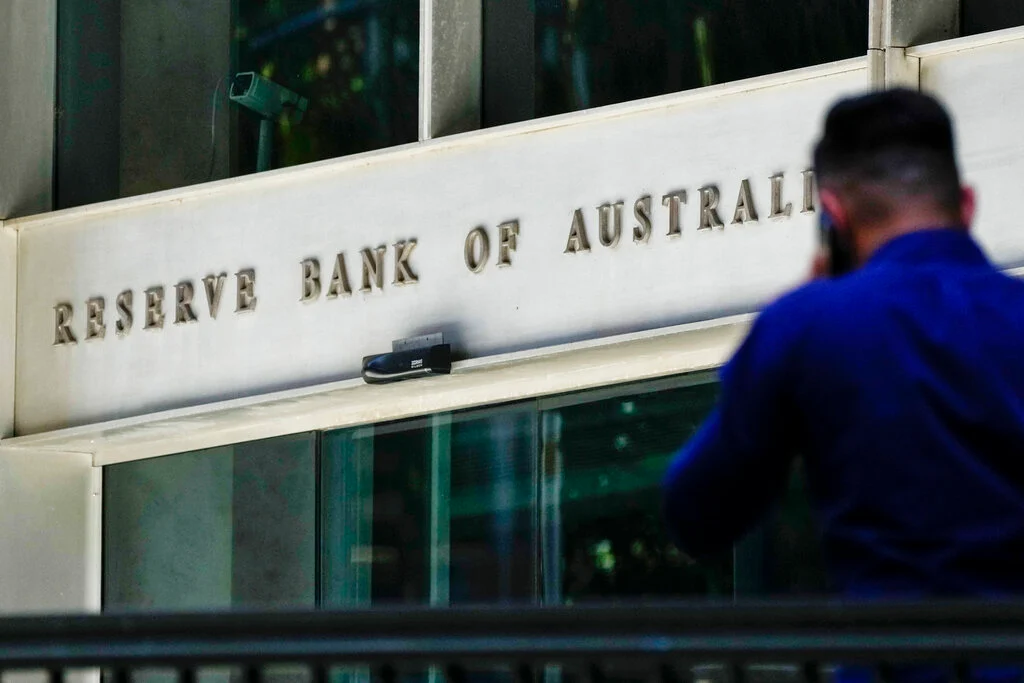
Interest rate hikes typically occur when the Reserve Bank of Australia (RBA) aims to control inflation or slow down an overheated economy. In 2024, the RBA may raise rates if inflation continues to rise or if the economy experiences rapid growth.
Here are some indicators that rate hikes may be on the way:
- High Inflation: Inflation is one of the key drivers of interest rate increases. If inflation remains above the RBA’s target range of 2-3%, the central bank may raise rates to cool the economy.
- Strong Economic Growth: If Australia’s economy continues to grow rapidly, the RBA may increase rates to prevent the economy from overheating. High levels of consumer spending, wage growth, and employment rates can all contribute to this scenario.
- Global Economic Factors: Changes in global financial markets, commodity prices, or economic conditions in major trading partners can also influence the RBA’s decisions on interest rates.
Many borrowers use Home Loan Refinancing as a tool to transition into a mortgage product that offers more flexible repayment features.
How Rising Interest Rates Could Impact Your Mortgage
If the RBA raises rates in 2024, homeowners with variable-rate mortgages will be the first to feel the impact. Here’s how higher rates could affect your mortgage:
- Increased Monthly Repayments: A rate hike will lead to higher monthly repayments on variable-rate mortgages. For example, a 0.5% increase in interest rates could add hundreds of dollars to your annual mortgage repayments.
- Reduced Borrowing Power: Rising interest rates can also affect your ability to borrow. As rates increase, lenders may reduce the amount they’re willing to lend, which could limit your ability to upgrade or purchase a new home.
- Slower Property Price Growth: Higher interest rates can cool demand in the housing market, leading to slower property price growth or even price declines in some areas.
How to Prepare for Interest Rate Hikes
If you’re concerned about rising interest rates, there are several steps you can take to prepare your mortgage and finances for potential rate increases:
- Refinance to a Fixed Rate: If you’re currently on a variable-rate loan, refinancing to a fixed-rate mortgage can protect you from future rate increases. Fixed-rate loans lock in your repayments for a set period, providing financial stability and peace of mind.
- Build a Financial Buffer: Set aside extra savings to cover any potential increases in your mortgage repayments. A financial buffer will give you peace of mind and help you manage rising costs without straining your budget.
- Make Extra Repayments Now: If you have the financial capacity, consider making extra repayments on your mortgage before rates rise. This can help reduce your loan balance and lower the overall interest you’ll pay over the life of the loan.
- Review Your Loan Features: Check whether your current mortgage offers features like an offset account or redraw facility. These features can provide flexibility in managing your repayments and give you access to extra funds if needed.
When to Refinance in a Rising Rate Environment?
Timing your refinancing decision is crucial in a rising-rate environment. Here are a few signs that it may be time to refinance your home loan:
- If Rates Are Expected to Rise Soon: If financial experts predict imminent rate hikes, it’s better to refinance sooner rather than later. Locking in a fixed rate now can save you money over the long term and protect your finances from further increases.
- If You’re Struggling with Current Repayments: If your current mortgage repayments are already putting pressure on your finances, refinancing to a loan with a lower rate or longer term can help ease the burden.
- If You’ve Improved Your Financial Position: If your credit score has improved or you’ve built up equity in your home, refinancing can give you access to a better loan with more favorable terms.
In certain financial climates, homeowners may utilize Equity Release to convert a portion of their property’s value into liquid capital.
Other Strategies for Managing a Rising Rate Environment
In addition to refinancing, there are other ways to manage your mortgage during periods of rising interest rates:
- Consider an Offset Account: An offset account allows you to reduce the amount of interest you pay on your mortgage by linking it to a savings account. The more money you have in your offset account, the less interest you’ll pay on your loan.
- Stay Informed: Keep an eye on RBA announcements and financial market trends to stay informed about potential rate changes. Being aware of what’s happening in the economy will help you make better decisions about your mortgage.
Why Lenders Use Serviceability Buffers
Australian lenders typically assess mortgage affordability using a buffer above the current interest rate.
This ensures borrowers can still manage repayments if interest rates rise.
Conclusion
Preparing your mortgage for potential interest rate hikes is essential for managing your finances in 2024. By refinancing to a fixed rate, building a financial buffer, and making extra repayments, you can protect yourself from rising costs and ensure your mortgage remains manageable. Contact one of our mortgage brokers today to discuss your refinancing options and secure a better deal for your home loan.
Before entering negotiations for a new property, it is essential to consult a Borrowing Power Calculator to understand your maximum lending limit.

Learn more about shifting interest rates with our Australian Interest Rate Outlook guide.
Frequently Asked Questions
-
Higher interest rates usually result in higher mortgage repayments for borrowers with variable rate loans.
Stay Informed with Our Real Estate Finance Blog
For more insights into navigating the real estate market, stay tuned to our blog. Contact us for personalised advice tailored to your property goals.




Helpful resources.
Department of Finance
Australian Government
AFCA
Australian Financial Complaints Authority
Money Smart
Australian Government