
How Inflation is Impacting Borrowing Capacity for Individuals in Australia
As we navigate the economic landscape of 2024, inflation remains a critical factor influencing financial decisions, particularly in the realm of borrowing and property purchases. In Australia, rising inflation rates have significant repercussions on individuals’ borrowing capacity, shaping the strategies of prospective homebuyers and investors alike. Let’s explore how inflation affects borrowing capacity and what individuals can do to adapt to these changes.

How Does Inflation Affect Borrowing Capacity?
Inflation affects borrowing capacity by increasing the cost of living and influencing interest rates. When inflation rises, lenders may increase mortgage rates and adjust their lending assessments.
Higher interest rates mean higher mortgage repayments, which can reduce the amount borrowers are able to access. At the same time, rising living expenses may reduce disposable income, further impacting borrowing capacity.
For many borrowers, inflation indirectly reduces how much they can borrow even if their income remains unchanged. Understanding borrowing capacity is often the first step when applying for Owner Occupied Home Loans.
Understanding Inflation and Its Impact on Borrowing
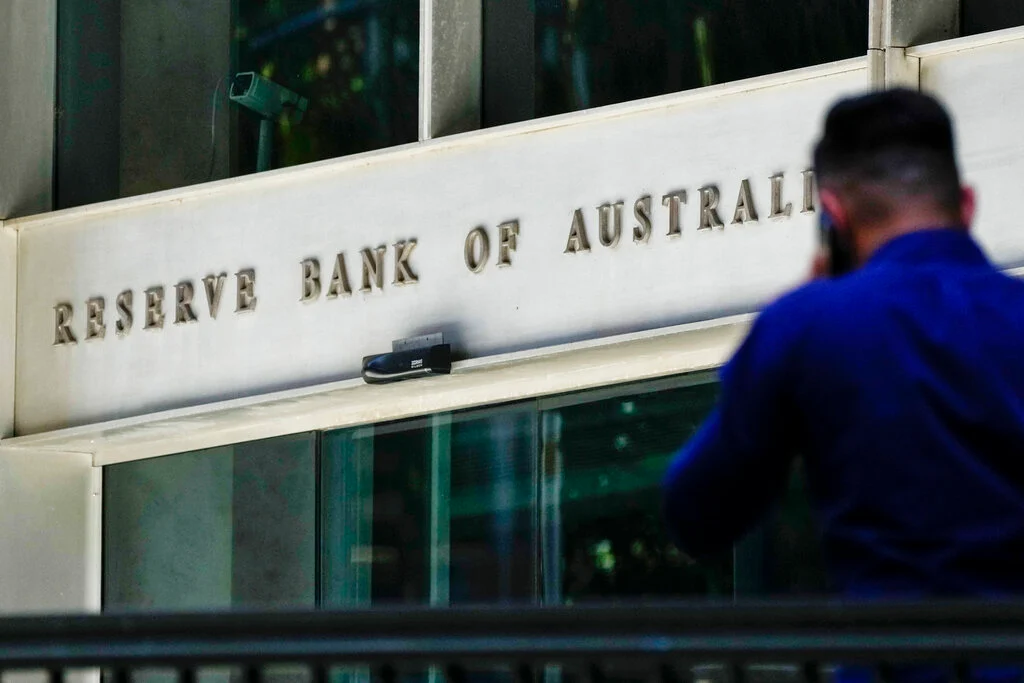
Inflation refers to the general increase in prices of goods and services over time, leading to a decrease in the purchasing power of money. In response to rising inflation, central banks, including the Reserve Bank of Australia (RBA), often adjust interest rates to control economic stability. These adjustments directly impact the borrowing environment in several ways:
- Higher Interest Rates: To curb inflation, the RBA may increase the cash rate, which in turn raises interest rates on loans and mortgages. Higher interest rates mean higher monthly repayments for borrowers, reducing their overall borrowing capacity.
- Reduced Purchasing Power: As inflation drives up the cost of living, individuals find that a larger portion of their income is allocated to essential expenses such as food, utilities, and transportation. This reduces the amount of disposable income available for loan repayments, thereby limiting borrowing capacity.
- Stricter Lending Criteria: Lenders may tighten their lending criteria during periods of high inflation to mitigate risk. This can include higher deposit requirements, more stringent credit checks, and reduced loan-to-value ratios (LVRs), making it more challenging for individuals to qualify for loans.
The Real-World Impact on Borrowing Capacity
For prospective homebuyers and property investors, the impact of inflation on borrowing capacity can be profound:
- Lower Loan Amounts: With higher interest rates, the amount that individuals can borrow decreases. For example, a borrower who could qualify for a $500,000 loan at a 3% interest rate may only qualify for a $450,000 loan if the interest rate rises to 4%.
- Increased Monthly Repayments: Higher interest rates result in increased monthly mortgage repayments, putting additional strain on household budgets. This can affect individuals’ ability to service their loans and meet other financial obligations.
- Delayed Homeownership: For first-time buyers, the combined effects of higher living costs and stricter lending criteria can delay their entry into the property market. Saving for a larger deposit and meeting enhanced credit requirements becomes more challenging.
Borrowing capacity is also a key factor when purchasing property through Residential Investment Loans.
Strategies to Adapt to Inflationary Pressures
Despite the challenges posed by inflation, there are strategies that individuals can employ to enhance their borrowing capacity and navigate the current economic environment:
- Improve Financial Health: Focus on reducing existing debt, improving credit scores, and maintaining a stable income. These factors can enhance your attractiveness to lenders and increase your borrowing capacity.
- Increase Savings: Building a larger deposit can offset higher interest rates and stricter lending criteria. Consider budgeting more rigorously to save additional funds for your home purchase.
- Consider Fixed-Rate Loans: Locking in a fixed-rate mortgage can provide certainty in monthly repayments, protecting you from potential future interest rate increases.
- Seek Professional Advice: Engage with mortgage brokers, financial advisors, and real estate professionals who can provide tailored advice and help you identify the best loan products and strategies in the current market.
- Explore Government Incentives: Stay informed about any government grants or schemes designed to support homebuyers, such as first home buyer grants or stamp duty concessions, which can provide financial relief.
Some borrowers explore Home Loan Refinancing when inflation and interest rates begin to change their monthly repayments.
Why Lenders Adjust Borrowing Capacity During Inflation
When inflation rises, central banks often increase interest rates to slow economic activity. Higher interest rates increase mortgage repayments, which lenders factor into serviceability calculations.
Banks also assess borrower expenses using benchmarks such as the Household Expenditure Measure (HEM). When living costs rise due to inflation, these benchmarks may increase, reducing the amount borrowers can access.
This means inflation can affect borrowing capacity even if wages increase.
A dynamic economic force
Inflation is a dynamic economic force that significantly influences borrowing capacity in Australia. By understanding its impact and adopting proactive strategies, individuals can better navigate the challenges posed by rising interest rates and living costs. Staying informed, improving financial health, and seeking professional guidance are key steps to successfully securing property in this inflationary environment.
If you want to estimate how inflation and interest rates could affect your loan eligibility, you can start with our Borrowing Power Calculator.

For a broader look at how investors structure property lending, see our Property Investment Finance Guide.
Frequently Asked Questions
-
Borrowing capacity refers to the amount of money a lender is willing to provide for a home loan based on income, expenses, debts and interest rate assessments.
Stay Informed with Our Real Estate Finance Blog
For more insights into navigating the real estate market, stay tuned to our blog. Contact us for personalised advice tailored to your property goals.




Helpful resources.
Department of Finance
Australian Government
AFCA
Australian Financial Complaints Authority
Money Smart
Australian Government