
Population Surges: The Impact on Australia’s Property Market
Explore the implications of Australia’s anticipated population surge on the property market in 2024. Learn how heightened demand for housing may impact prices, rents, and affordability. Discover opportunities and challenges for homebuyers, renters, policymakers, and industry stakeholders. Understand the importance of fostering sustainable growth, promoting housing affordability, and embracing innovation to navigate the evolving property market landscape.
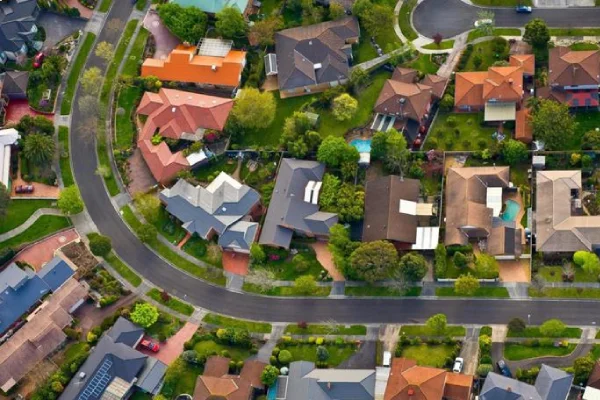
How Does Population Growth Affect Property Prices in Australia?
Population growth increases demand for housing, which can place upward pressure on property prices and rental markets.
As more people move into cities and regional centres, the supply of available housing can struggle to keep pace with demand. This imbalance often leads to higher property values, increased rental demand and new development opportunities.
For both homeowners and investors, population trends can be an important indicator of future property market performance.
Implications of Population Surge
Australia has long been recognised as a desirable destination for immigrants, boasting a high quality of life, robust economy, and diverse cultural fabric. Over the years, this influx of migrants has played a pivotal role in driving population growth and fuelling demand in the property sector. However, projections indicate that the pace of population growth is set to accelerate in the coming years, propelled by factors such as skilled migration, natural increase, and international student enrolments.
One of the primary consequences of this population surge is the heightened demand for housing across the country. With more people choosing to call Australia home, the need for residential properties is expected to soar, exerting upward pressure on prices and rents. This trend is particularly pronounced in major urban centres like Sydney, Melbourne, and Brisbane, where population growth tends to be concentrated.
Many investors respond to growing housing demand by exploring Residential Investment Loans.
Opportunities and Challenges
For prospective homebuyers, the prospect of a rapidly evolving property market presents both opportunities and challenges. On one hand, increased demand may translate into capital appreciation, potentially yielding substantial returns for investors and homeowners alike. On the other hand, intensified competition could make it more difficult to enter the market, especially for first-time buyers or those with limited financial resources.
Similarly, renters may find themselves grappling with rising accommodation costs as landlords capitalise on the heightened demand. This dynamic underscores the importance of implementing policies that promote housing affordability and ensure equitable access to shelter for all segments of the population.
Property developers often rely on Development Loans to fund new housing projects in high-growth areas.
Policy and Industry Response
From a policy standpoint, government authorities face the imperative of fostering sustainable growth in the property market while averting the risks of overheating and speculative bubbles. This entails striking a delicate balance between stimulating supply through infrastructure development and regulatory reforms, while simultaneously safeguarding the interests of consumers and fostering inclusive urban development.
Moreover, industry stakeholders must adapt to the evolving dynamics of the property market by embracing innovation, leveraging technology, and adopting agile business models. Whether it’s embracing sustainable construction practices, harnessing the potential of proptech solutions, or diversifying investment portfolios, proactive measures can help mitigate risks and capitalise on emerging opportunities.
Why Population Growth Drives Housing Demand
Australia has experienced strong population growth due to migration, urbanisation, and natural population increases.
As populations grow, demand increases for:
- Residential housing
- Rental properties
- Commercial infrastructure
- New developments
When housing supply struggles to keep pace with demand, property prices and rents often rise.
Investors frequently monitor population trends to identify suburbs and cities where housing demand may continue to increase. Population growth can also increase demand for retail, office and industrial spaces financed through Commercial Property Loans.
The way some see it
In conclusion, the anticipated population surge in 2024 heralds a new chapter in Australia’s demographic story, with far-reaching implications for the property market. While the prospect of sustained growth presents exciting prospects for investors and developers, it also underscores the need for prudent planning, robust governance, and a commitment to housing affordability. By working collaboratively and embracing innovation, stakeholders can navigate the complexities of this evolving landscape and build a more resilient, inclusive property market for generations to come.
Buyers assessing their options often begin by estimating their budget using a Borrowing Power Calculator.
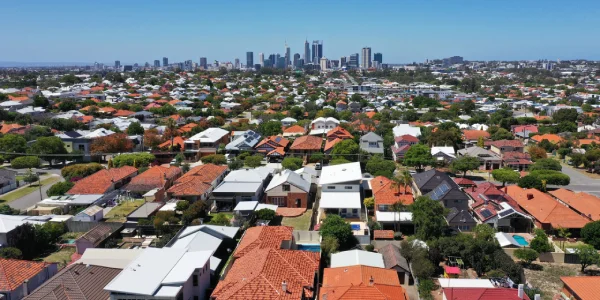
Explore our Property Investment Finance Guide for a detailed overview of lending options available to property buyers and investors.
Frequently Asked Questions
-
Population growth increases demand for housing. When more people need housing than the available supply can support, property prices and rents tend to increase.
Stay Informed with Our Real Estate Finance Blog
For more insights into navigating the real estate market, stay tuned to our blog. Contact us for personalised advice tailored to your property goals.




Helpful resources.
Department of Finance
Australian Government
AFCA
Australian Financial Complaints Authority
Money Smart
Australian Government